Can dogs eat turkey? A vet pro's Thanksgiving guide to what to share and what to skip
Plain turkey, yes. Skin, bones, stuffing, and gravy, no. The Thanksgiving foods that send dogs to the ER, and the signs to watch for after dinner.
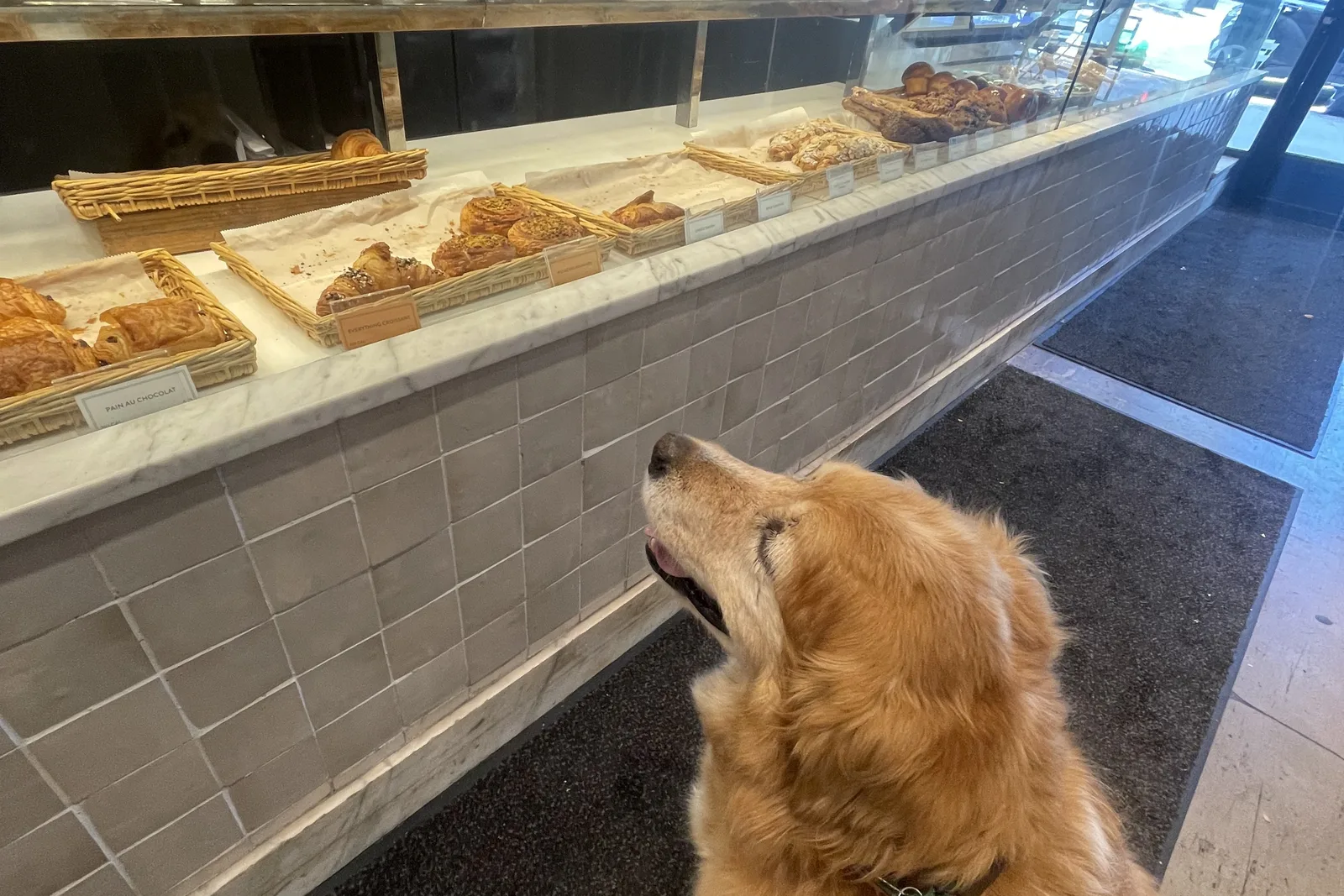
Thanksgiving is a big day for dogs too: a full kitchen, a full table, and plenty of hands willing to slip something under it. Some of it is fine. Some of it sends dogs to the ER every November. Here is what to share, what to skip, and what to watch for after dinner.
Yes, dogs can eat plain turkey: here is the rule
Yes, your dog can eat turkey, but it should be cooked, with no skin and no seasonings at all. Treat it like a treat: turkey should make up no more than 10% of your dog's daily calories.
Turkey skin, drippings, and gravy: the pancreatitis problem
Avoid the higher-fat parts of the turkey like the skin, drippings, and gravy. High-fat foods can cause pancreatitis, or inflammation of the pancreas. The pancreas is a small organ that secretes digestive enzymes to help the body absorb food. It also produces insulin, which regulates blood sugar. When it is inflamed, it can cause a range of gastrointestinal signs, from mild stomach upset to, in severe cases, death.
Catching pancreatitis early is vital for successful treatment. Look out for these possible signs:
- Nausea and gagging
- Vomiting
- Diarrhea
- Abdominal pain or a hunched posture
- Decreased appetite
- Fever
- Lethargy
- In severe cases, shock and death
Turkey bones: cooked bones splinter
Please don't let your dog chew on turkey bones, cooked or raw. They can splinter and cause stomach and intestinal problems, and they can even get stuck and need surgery to remove.
Stuffing and anything with onion, garlic, or chives
All members of the allium family are toxic to dogs. That includes onions, green onions, garlic, leeks, shallots, and chives, all common in stuffing, gravy, and green bean casserole. They cause Heinz body anemia, a potentially fatal condition that destroys your dog's red blood cells.
Grapes, raisins, and the fruit salad
Watch out for grapes, raisins, and currants in fruit cakes, breads, and cookies. Even a single grape, raisin, or currant can be enough to pose a risk of kidney failure in some dogs.
Chocolate, desserts, and xylitol
Desserts may pose the most risk of anything on the table. Keep a close eye out for xylitol, the sugar substitute often found in "sugar-free" products and gum. It also goes by wood sugar, birch sugar, and birch bark extract. Even a small amount can cause a dramatic drop in blood sugar, and it can also cause liver damage.
Theobromine, the toxin in chocolate, is dose dependent: a little is less likely to be serious, but the risk goes up as the amount or the cocoa percentage goes up. Signs include vomiting, diarrhea, restlessness, irregular heartbeat, tremors, seizures, and in the worst cases, death.
Mashed potatoes, veggies, and what you can share
Not everything on your Thanksgiving table is off limits. Plain, unseasoned vegetables like sweet potato, pumpkin, potato, green beans, and broccoli are fine to share. The 10% rule still applies: treats should make up only about 10% of your dog's food for the day, to lower the chance of stomach upset.
Signs your dog got into something: what to watch for tonight
Important signs to look out for include vomiting, diarrhea, a hunched posture, lethargy, drooling, and not eating. It can take 1 to 3 days for signs of pancreatitis to show up, so stay watchful through the weekend.
When to call your vet pro vs. go to the ER
Head to the ER if your dog can't keep food or water down, seems to be trying to vomit but nothing comes up, has dark, tarry stool, or has been sick for more than 24 hours.
The after-dinner walk: check Dog Feel° before you head out
A walk after the meal is an easy way to get your dog away from the table. Late November evenings turn cold fast, and how cold depends on your dog: breed, coat, age, and weight all change it. Check your dog's Dog Feel° for the evening before you clip the leash on.
Frequently asked questions
Can dogs eat turkey skin? No. Turkey skin, drippings, and gravy are high in fat, and high-fat foods can cause pancreatitis. Stick to plain, cooked turkey meat.
Can dogs eat turkey bones? No. Cooked or raw, turkey bones can splinter, cause stomach and intestinal problems, and get stuck, sometimes needing surgery to remove.
Can dogs eat stuffing? No. Stuffing usually contains onion, garlic, leeks, or chives, all members of the allium family, which are toxic to dogs and can destroy red blood cells.
How much turkey can a dog eat? Treat it like any treat: plain, cooked, skinless turkey should make up no more than about 10% of your dog's daily calories.
Plan the after-dinner walk
Late November evenings turn cold fast. Create a free account, add your dog, and see her Dog Feel° and tier for tonight and the hours ahead.
Create your free accountHow Pawcast talks about conditions
A note on the words you will see in this post and in the app. Pawcast™ (weather.pet) describes conditions using three tiers: WITHIN RANGE, CAUTION, and HIGH RISK, alongside a Dog Feel° temperature and a Risk Score from 0 to 100. Conditions are also described relative to your dog's personal band: BELOW RANGE, WITHIN RANGE, or ABOVE RANGE. You will not see absolute promises in Pawcast, in either direction: no wording that guarantees a walk will go well, and no wording that a given moment is risk-free. Conditions are always relative to your specific dog, and your judgment on the ground always comes first.
Written by Hilary Jones, DVM, Chief Veterinary Officer at Pawcast.
Pawcast provides estimates to help guide your decisions, not replace them. Your dog's individual health and real-time condition always come first. This article is informational, is provided for educational purposes, and is not a substitute for veterinary care. If you have concerns about your dog, contact your veterinarian.